Shoreline Restoration Services
Florida's tidal waterways don't hold still. Boat wake, storm surge, and seasonal water-level swings eat away at unprotected shorelines year after year — and once erosion starts, it rarely reverses on its own. Stillwater Marine Contracting provides shoreline restoration and erosion control services for residential homeowners, condo associations, and government agencies throughout Brevard and South Volusia County. Every restoration approach is matched to the specific shoreline — its exposure, substrate, and conditions — rather than applied as a one-size solution.
Shoreline Restoration Services for Brevard & South Volusia County Waterfront Properties
From the Indian River Lagoon and Banana River to the Halifax River and Mosquito Lagoon, every shoreline is different. Water exposure, substrate, and shoreline geometry all shape the right solution. Restoration work is scoped to fit the specific conditions of your property, not pulled from a standard package.
Erosion Control & Stabilization
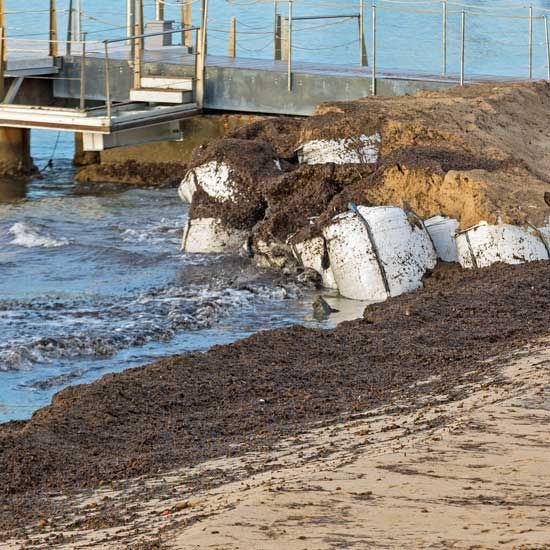
Assessment and installation of erosion control systems suited to your waterway, wave exposure, and shoreline type.
Riprap Installation
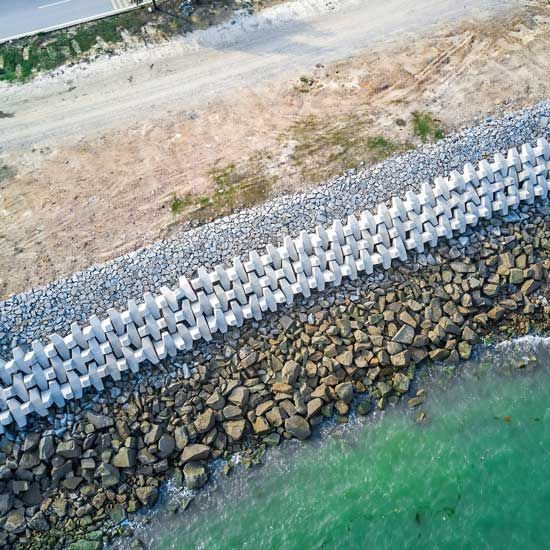
Granite or limestone riprap armor placed and graded to absorb wave energy and prevent soil loss on high-exposure shorelines.
Seawall Alternative Systems
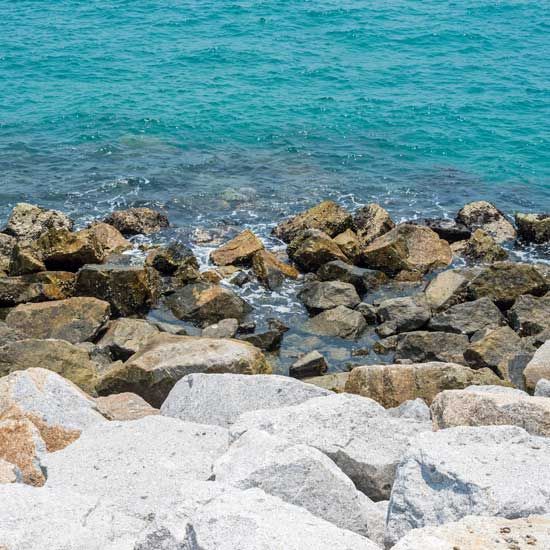
For properties where a hard seawall isn't the right fit — or where FDEP won't permit one — softer shoreline solutions that meet regulatory requirements.
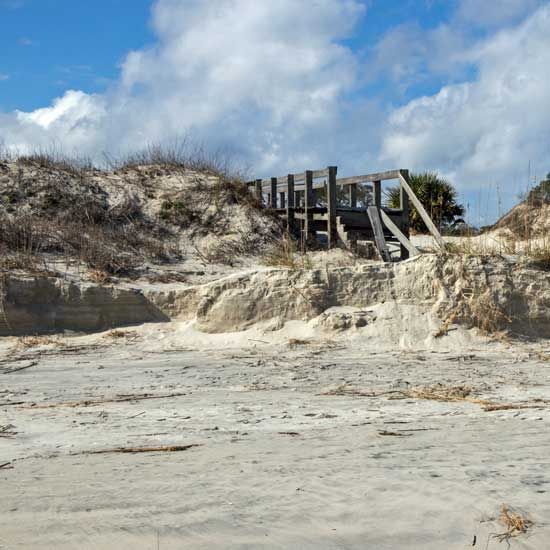
Storm Damage Restoration
Rapid assessment and repair of shorelines compromised by hurricane activity, flooding, or surge — restoring protection before the next weather event.
Shoreline Assessment & Permitting
On-site evaluation, regulatory coordination, and permitting support through FDEP, St. Johns River Water Management District, and local county agencies.
Shoreline Restoration Approaches — Brevard & South Volusia County
No two shorelines erode the same way. A canal-front property in Edgewater behaves differently from an exposed Mosquito Lagoon bank or an Indian River frontage with heavy boat traffic. That's why every project starts with an on-site assessment — to evaluate erosion severity, substrate conditions, wave exposure, and which regulatory pathways apply before any work begins.
Shoreline restoration services cover:
- Riprap armoring for high-energy shorelines facing boat wake, tidal surge, or open-water wave exposure
- Native vegetation establishment using cordgrass, black needlerush, salt marsh hay, and mangroves matched to the site's salinity and tidal range
- Geotextile filter fabric installation to prevent undercutting while allowing drainage
- Grading and recontouring to establish a stable angle of repose before planting or armor placement
- Full storm damage restoration — including debris removal, bank reshaping, and stabilization — after hurricane or flood events
Permitting is handled in-house. Shoreline restoration in Florida involves coordination with FDEP, the St. Johns River Water Management District, the U.S. Army Corps of Engineers, and in some cases local county environmental departments. Navigating those agencies takes time — starting early is the most effective way to keep a project on schedule.
About Shoreline Erosion
Shoreline erosion is gradual until it isn't. Most property owners notice the problem long after it's reached a stage where stabilization is more complex — and more expensive. These are the signs that warrant a professional assessment.
Common shoreline restoration and erosion control services:
Warning Signs Your Shoreline Needs Attention
- Exposed or Undercut Roots
- Retreating Shoreline Edge
- Collapsing or Slumping Banks
- Turbid Water at the Shoreline
- Loss of Shoreline Vegetation
- Dock or Seawall Undermining
If you're seeing any of these signs on a property in Merritt Island, Titusville, Satellite Beach, Oak Hill, or anywhere else in the service area, a site assessment will tell you what's actually happening — and what the realistic options are.
Shoreline Restoration Materials — Built for Florida's Waterways
The materials used in shoreline restoration need to work with Florida's tidal range, wave exposure, and subtropical growing conditions — not just hold up in ideal conditions. Coquina, granite and limestone riprap, native salt-tolerant species, and engineered filter systems are selected based on the site, not a standard package.
- Coquina, Granite & Limestone Riprap
Angular stone sized to match wave energy and site exposure — placed over filter fabric to prevent undercutting and soil migration through the armor layer. - Native Shoreline Vegetation
Cordgrass (Spartina alterniflora), black needlerush (Juncus roemerianus), salt marsh hay, and mangroves selected for salinity tolerance and root system depth. - Geotextile Filter Fabric
Heavy-duty permeable fabric installed beneath riprap and shell systems to prevent fine soil particles from washing out while allowing drainage. - Rock Sill & Breakwater Materials
Low-profile rock or precast structures placed offshore of the planting zone to reduce wave energy before it reaches the bank. - Erosion Control Matting
Biodegradable or synthetic erosion control blankets used during planting establishment to hold soil and seed in place until root systems develop.
Shoreline Restoration Contractors Serving Brevard & South Volusia County
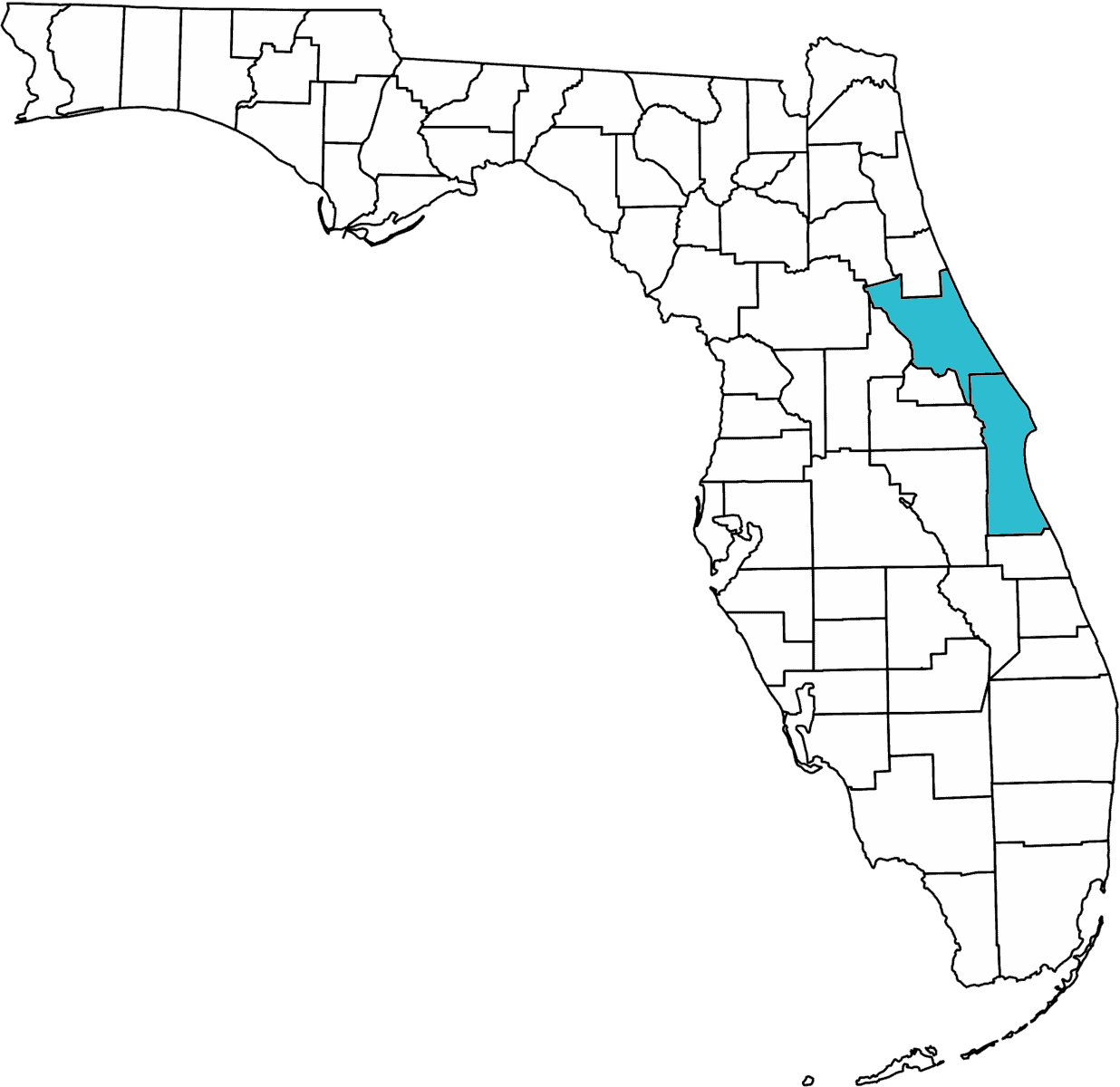
Stillwater Marine Contracting works with residential waterfront owners, condominium associations, and government agencies on shoreline restoration and erosion control projects across Brevard and South Volusia County. From the Space Coast to the New Smyrna Beach area, the service area includes:
Brevard County:
Titusville, Merritt Island, Cocoa, Cocoa Beach, Rockledge, Melbourne, Palm Bay, and Satellite Beach
South Volusia County:
New Smyrna Beach, Edgewater, Oak Hill
Waterways served include the Indian River Lagoon, Banana River, Mosquito Lagoon, Halifax River, and more.
Shoreline Restoration FAQs
How much does shoreline restoration cost in Florida?
Shoreline restoration costs vary widely based on linear footage, erosion severity, site access, the stabilization method used, and permitting requirements. A residential canal front, a heavily eroded open-water bank, and a large commercial or government shoreline are all very different scopes, and the cost reflects that. A site assessment is the most accurate way to scope the project, since no two shorelines erode the same way.
Do I need a permit for shoreline restoration in Florida?
Yes. Most shoreline restoration work in Florida — including riprap installation and native vegetation planting in or adjacent to state waters — requires permits from one or more agencies. Depending on the scope and location, permits may be required from the Florida Department of Environmental Protection (FDEP), the St. Johns River Water Management District (SJRWMD), the U.S. Army Corps of Engineers, and your local county. Projects in or near Outstanding Florida Waters, aquatic preserves, or areas with seagrass coverage face additional review requirements. Stillwater Marine Contracting manages permitting in-house as part of every restoration project.
What causes shoreline erosion in Brevard and Volusia County?
Shoreline erosion in Brevard and Volusia County is driven by a combination of factors unique to Central Florida's coastal waterways. Boat wake from the Intracoastal Waterway and Indian River Lagoon is one of the most significant ongoing causes on residential properties — the constant low-level wave action from recreational and commercial vessel traffic erodes unprotected banks over time. Storm surge from tropical systems, heavy rainfall runoff, and the loss of native vegetation that once bound shoreline soils all contribute.
Can shoreline restoration be done after a hurricane or storm?
Yes — post-storm shoreline restoration is one of the most common project types on Florida waterfront properties. Hurricane and storm surge events can cause rapid, severe erosion that strips vegetation, displaces riprap, collapses banks, and undermines adjacent structures like docks and seawalls. Post-storm restoration typically involves debris removal, bank reshaping and grading, reestablishment of armor or stabilization systems, and replanting of native vegetation. Acting quickly after a storm reduces the risk of continued erosion through subsequent tidal cycles and weather events. Emergency permitting pathways are sometimes available for storm-related work through FDEP and local county agencies.
Do you work with condo associations and government agencies on shoreline projects?
Yes. Condo associations and HOAs throughout Brevard and Volusia County are served for shoreline restoration and erosion control on shared or commonly-owned waterfront. Municipal and government agency projects — including park shorelines, public access areas, and infrastructure-adjacent banks — are also within scope. Multi-stakeholder projects require permitting documentation, coordination with board approval processes, and communication with regulatory agencies at several levels. That familiarity with the process is part of what makes large or institutionally-owned shoreline projects manageable from start to finish.
Ready to Restore or Stabilize Your Shoreline?
Shoreline restoration projects along the Space Coast and South Volusia County coastline require contractors who understand Florida's specific tidal conditions, native plant ecology, and regulatory environment. Whether the project is a riprap armoring on an exposed bank or emergency repair after storm damage, an on-site assessment is the right first step.
Stillwater Marine Contracting serves residential homeowners, condo associations, and government agencies throughout Brevard and South Volusia County. Reach out to schedule a free consultation and site visit.